 Gremio Hub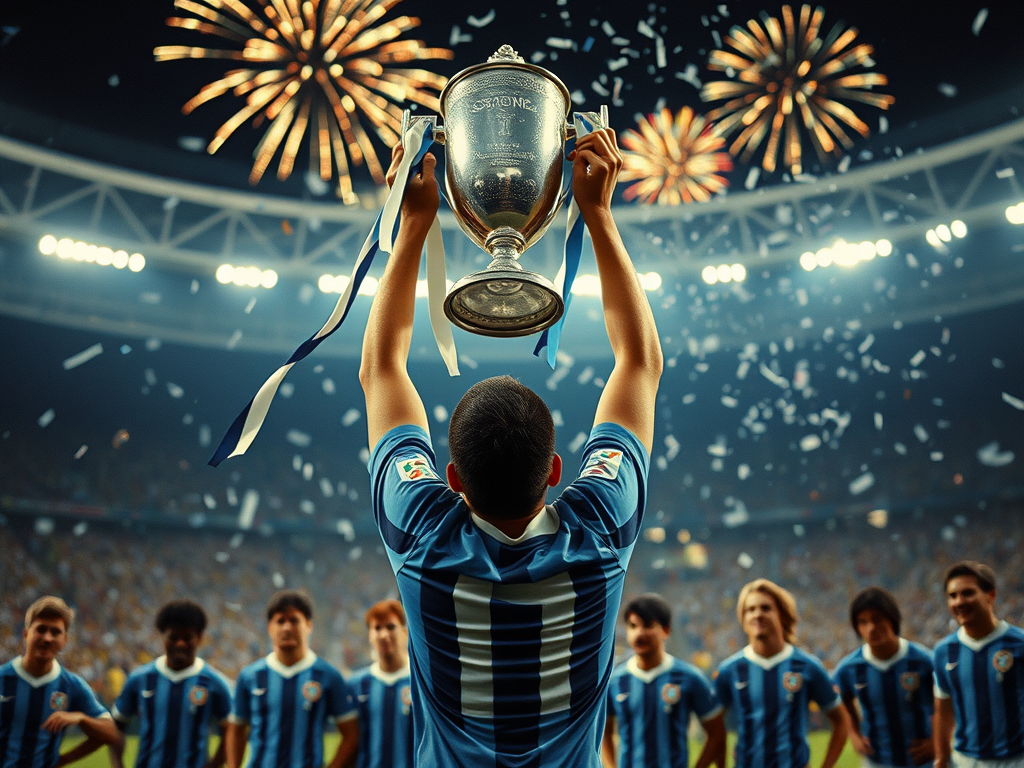
The year 1983 was a landmark in Grêmio's history, not only for being the year of its first international title but also for representing a revolution in how the club perceived itself and presented itself on the South American football scene. The victory in the Copa Libertadores that year was a monumental achievement that still resonates among Tricolor supporters today.
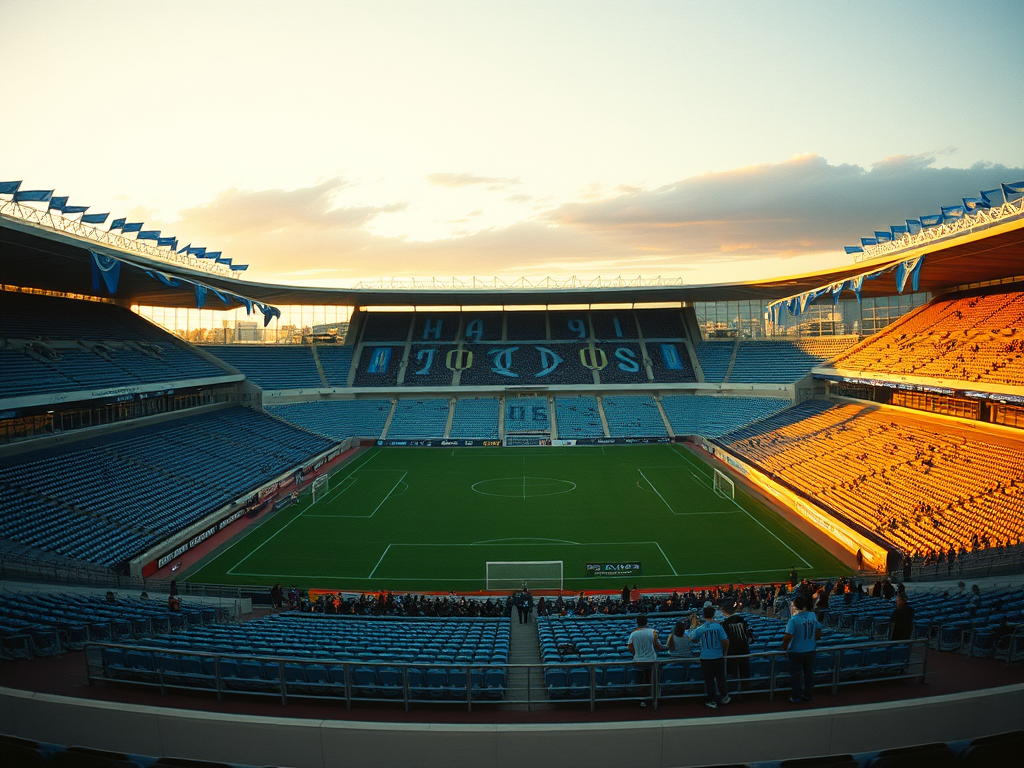
Grêmio's campaign in the Libertadores began with a group stage where the team, under the guidance of one of the greatest coaches in the club's history, Luiz Felipe Scolari, stood out with compact and efficient football. Players like Paulo Silas, Renato Portaluppi, and goalkeeper Emerson became icons, not only for their technical quality but also for the grit they displayed on the field. The fans, always passionate, turned the Estádio Olímpico into a true cauldron, providing an atmosphere that helped propel the team in decisive moments.
The semifinal against Argentino Juniors was a true test of fire. After a draw away from home, Grêmio returned to Porto Alegre and, in front of a crowd, imposed its game. The 2-0 victory at the Olímpico was not only a passage to the finals but also an affirmation that Grêmio was ready for the challenge ahead.
In the final, the rival was Peñarol, a traditional and feared team in South America. The first match, held at the Estadio Centenario in Montevideo, was tough and ended 2-1 in favor of Grêmio. In the return match, the tension was palpable. The Olímpico was packed, and the atmosphere was electrifying. With a goal from Renato, Grêmio sealed the victory and claimed the title, making history.
This conquest was not just a win in a tournament; it was a transformation in Grêmio's identity. The club was no longer just a team competing locally; now, it was a continental giant. The 1983 Libertadores opened the doors for a generation of fans who became passionate about the club and everything it represents. This victory is still celebrated annually, and the memories of that heroic campaign continue to inspire new generations of players and supporters.
Winning the Libertadores also intensified the rivalry with Internacional, Grêmio's biggest rival. Each confrontation from then on gained extra weight, not just as a classic but as a duel between clubs aspiring to greatness and continental recognition. The victory in 1983 serves as a constant reminder that, with determination and passion, Grêmio can achieve any goal it sets.
Thus, the Copa Libertadores of 1983 remains one of the most glorious chapters in Grêmio's history, a testament to the resilience and fighting spirit that characterize Tricolor Gaúcho. This achievement continues to be a source of pride and a symbol of the club's ability to reinvent and surpass itself, always in search of new horizons and challenges.