 Gremio Hub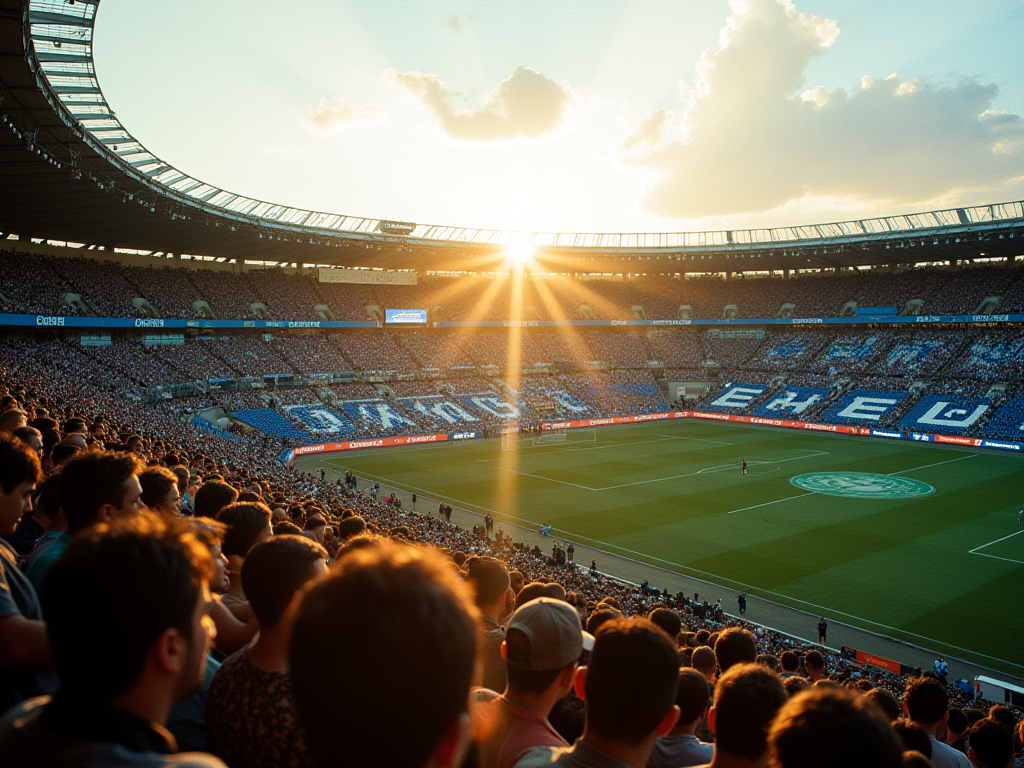
The Grêmio fans, affectionately known as "Gremistas," are famous not only for their loyalty but also for a series of traditions that make each match a unique experience. From the pre-match preparations to the rituals that take place inside the Arena do Grêmio, every detail is infused with emotion and significance.
One of the most anticipated moments for fans is the "Festa da Arquibancada." Before each match, especially in classics against Internacional, Gremistas gather outside the stadium to sing, dance, and proudly display their colors. Dressed in blue, black, and white, they create a sea of flags and banners that, in itself, is a spectacle. The atmosphere is one of celebration, as if the match has already begun, and the energy is contagious.
Inside the stadium, the rituals continue. One of the most emblematic is the "Fireworks Display" that occurs moments before the referee's whistle. This pyrotechnic spectacle is a tradition that marks the start of the duel and prepares the players and fans for the battle ahead. The lights and sounds create an electrifying atmosphere that reverberates throughout the stadium, boosting the morale of both the team and the supporters.
The chants of the Gremistas are an essential part of the stadium experience. With lyrics that exalt the club's history and achievements, the support shouts echo like a mantra, uniting everyone into one heart. One of the most iconic chants is the famous "Eu sou Grêmio," which resonates in unison and shakes the stands. It is a moment of unity, where every fan feels they are part of something bigger.
And we cannot forget the intense rivalry with Internacional, which turns the classic into a true spectacle. The atmosphere leading up to these matches is palpable, with fans from both sides preparing for the verbal and emotional battle. The teasing begins days in advance, on social media and in the streets of Porto Alegre, where the rivalry is fueled by stories and memories of past encounters.
After the final whistle, whether in victory or defeat, the passion of the Gremistas does not wane. The celebration or reflection on the team's performance extends outside the stadium, in bars and squares, where fans gather to discuss the game and make plans for the next one. This connection among fans is what truly defines Grêmio culture, a bond that goes beyond football and becomes part of the identity of Porto Alegre's inhabitants.
In summary, the culture of Grêmio supporters is a mosaic of traditions, rituals, and unparalleled passion. Each game is a celebration of the history and identity of the Tricolor Gaúcho, where the unique atmosphere of the Arena do Grêmio makes every fan feel at home, ready to support their team until the end.